January 16, 2026
Contextual Fluency
The Business Card that Broke Culture
Eugene Chang
The business card that broke culture.
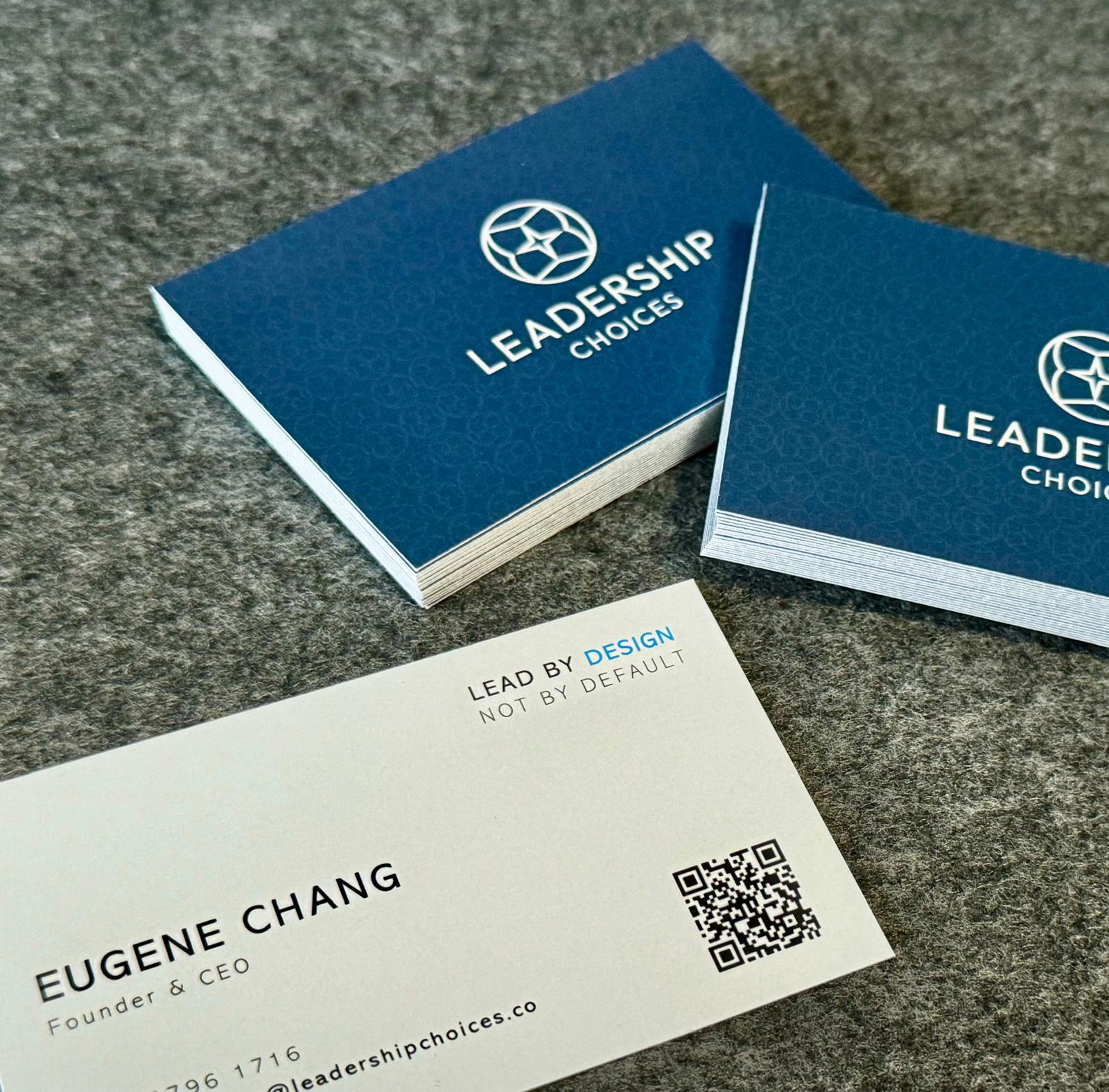
Some years ago, when I was still in the corporate world, HQ decided to remove titles from business cards. Part of a rebrand - egalitarianism, flat structures, removing bias. Genuine values. Good intent. Everyone was excited. Well... almost.
I was in Asia when this landed. We raised concerns. In high-context societies, the business card exchange isn't just contact information. It's social infrastructure - who attends the meeting, speaking order, seating, forms of address. Without titles, clients can't navigate the meeting. We risked looking tone-deaf, unable to get the basics right. For a culture change expert, this signaled "you're not from around here".
The request was modest: flexibility on something as trivial as name cards. Request denied.
"It's our firm's culture."
Invoking culture to deny cultural adaptation. A priceless response. It left us speechless.
The workaround: only senior partners exchanged cards to avoid embarrassing the firm with this faux pas. Others stopped exchanging cards altogether. Where once employees were proud to hand out cards bearing their name and title, these now sat in unopened boxes.
The values were genuine. The implementation was blind. And because it was "just a name card," local management didn't want to lose political capital fighting this.
So, this became one of those "lost in translation" moments that was written into office lore - the kind employees return to whenever instructions from HQ don't make sense in their context.
➡️ Has something like this happened in your organisation?
➡️ What's being sacrificed in the name of consistency?
➡️ How are you shaping your leadership choices to be more contextual in 2026?
#
contextualfluency
#
leadership
#
culture